
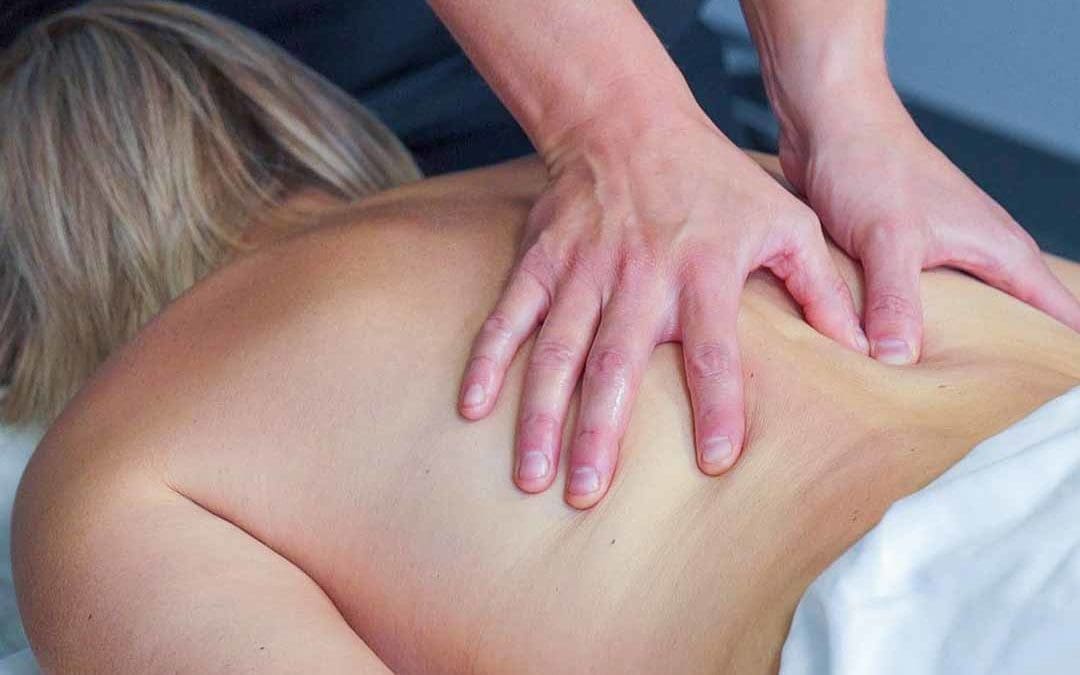
Can massage help autistic children and adults? It depends on the person. Some autistic people find gentle, predictable touch calming. Others find touch uncomfortable. Research on massage and autism is limited. A good session is built around the person’s comfort, and it starts with a talk with their care team.
What Does Research Say About Massage and Autism?
Research on massage and autism is early and limited. A 2022 systematic review looked at eight small trials of massage for autistic children. The trials reported some improvements, mostly in sensory areas. The reviewers found the studies were low in quality, though. They concluded there isn’t enough evidence to say massage is effective for autism.
Here is what that means in plain terms:
- Massage does not treat, cure or change autism.
- Some autistic people find massage relaxing and comfortable. Others don’t.
- Massage can be one comfort-focused support, alongside the care a person already gets from their own providers.
Our massage therapists don’t diagnose medical, developmental or mental health conditions. Their job is to make each session safe, predictable and comfortable.
Why Is Autism Called a Spectrum?
Autism is called a spectrum because it shows up differently in every person. Two autistic people can have very different strengths, needs and sensory preferences. That is why there is no single “autism massage.” The session has to fit the individual.

Why is autism a spectrum? Infographic © AutismBC.
How Does Sensory Processing Affect Massage?
Sensory processing is how the brain takes in and responds to touch, sound, light, smell and taste. Many autistic people process sensory input differently. Some seek out firm, steady pressure. Others are very sensitive to light touch, certain sounds or strong scents.
This matters a lot in a massage room. Pressure, pace, room noise and scent all affect how a session feels. A massage therapist can adjust the pressure, pace and length of a session to each person’s comfort, and can stop at any time.
How Can a Massage Session Be Adapted?
A massage session can be adapted in many small ways so it feels safe and predictable. These are things you can ask for when you book or at the start of the session.
Clear Communication
Tell your therapist how the person communicates best. The therapist can explain each step before it happens. You can also agree on a simple signal for “stop” or “lighter” before the session begins.
Predictability
Many autistic people feel more at ease when they know what to expect. It can help to book the same therapist and the same time each visit. You can pick your therapist when you book online. Health history and intake forms can also be filled out online ahead of time, using the links in your confirmation and reminder emails, so the visit starts with less paperwork. Before the first session, you can also book a free consultation to meet the therapist and walk through the room, at no charge.
Pressure Control
You are always in control of the pressure. Therapists adjust pressure on request, from very light to firm. Some people prefer steady, even pressure over light or moving strokes. Say what feels right, and the therapist will follow.
Shorter Sessions
A shorter appointment can be a good way to start. Therapeutic, deep tissue, sports, prenatal, medical and lymphatic drainage massage, myoskeletal alignment, Maya abdominal massage and reflexology can all be booked as 30-minute sessions. You can build up to a longer appointment if the person is comfortable.
Scent
Scent is personal, and strong smells can be overwhelming. At Hand in Health, we use essential oils by Saratoga Aromatherapy when a patient chooses aromatherapy. Tell your therapist if you’d prefer a session without essential oils.
The Room
Much of the session can be adjusted to the person. You can ask for a quiet session. Music, lighting (the lights are dimmable) and temperature can all be changed. The person can stay clothed or undress to their comfort, and can choose a massage chair or a table. We use unscented, hypoallergenic products. Ask what else can be adjusted when you book.
A Parent or Caregiver
There’s no minimum age for massage at Hand in Health. For patients under 18, a parent or guardian must sign consent and stay in the room during treatment. Adults who need support can bring a caregiver into the room too.
The Right Therapist
Some of our therapists have training that’s relevant to sensory needs. Tell us about the person when you book, and our team will pair them with a therapist who’s well suited to them.
Ending Early Is Always OK
Patients may end any session they aren’t satisfied with. If the person wants to stop, the session stops. There’s no need to push through.
Which Massage Styles Feel Gentlest?
The gentlest styles use light, slow and steady pressure. These are options some people find relaxing. None of them treat autism.
- Therapeutic massage. Tailored to the person, with pressure and focus areas adjusted as you go. Most people start here.
- Lymphatic drainage. A very light, slow and quiet style of massage. Some people find its gentle rhythm relaxing.
- Reiki and massage combination. Reiki uses light hand placements on or near the body. Many patients find a Reiki and massage combination deeply relaxing.
- Aromatherapy add-on. Essential oils added to the massage oil or diffused in the room. It’s a scent preference only, and it’s optional.

Why Should You Talk With Your Care Team First?
Talk with your care team first because they know the person’s health history and needs best. A pediatrician, primary care provider, occupational therapist or other specialist can help you decide whether massage makes sense.
If the person is under a physician’s care and their condition needs written clearance, bring it to the appointment. Tell the therapist about any medical conditions, medications and sensory needs before the session starts. Massage isn’t a replacement for medical care.
Can Massage Support Overall Mental Health?
Many people find massage helps them manage everyday stress. It can be a helpful addition to the care you already get from your medical and mental health providers. The American Massage Therapy Association has collected research on massage and mental health. We also wrote about massage for mental health and what the research actually shows.
Frequently Asked Questions
Can massage therapy help with autism?
Massage does not treat or change autism. A 2022 systematic review found there isn’t enough good evidence to say massage is effective for autism. Some autistic people do find gentle, predictable massage relaxing and comfortable. Others don’t enjoy touch at all. The best approach is to talk with the person’s care team first and follow their comfort.
What if touch feels overwhelming?
Tell the therapist right away. You are always in control of the pressure, and the therapist can go lighter, slow down or work on a different area. Patients may end any session they aren’t satisfied with. A shorter 30-minute first appointment can also help someone get used to the room and the therapist.
Can a parent or caregiver stay in the room?
Yes. For patients under 18, a parent or guardian must sign consent and stay in the room during treatment. There’s no minimum age. An adult who needs support can also have a caregiver stay in the room. Questions before booking? Text us at 315-937-2300, and our front desk can help you plan the first visit.
Do you use essential oils during massage?
Only if you want them. When a patient chooses aromatherapy, we use essential oils by Saratoga Aromatherapy. Strong scents can be hard for people with sensory sensitivities, so tell your therapist if you’d prefer a session without essential oils. Aromatherapy is a scent preference. It is not a treatment for autism or any other condition.
Do I need a doctor’s note for massage?
Only if their condition calls for it. If the person is under a physician’s care and their condition needs written clearance, bring it to the appointment. Either way, it’s a good idea to talk with their care team before the first massage. Share any medical conditions, medications and sensory needs with the therapist before the session begins.
Book an Adapted Session in Syracuse, NY
Our licensed massage therapists see patients at our Syracuse, NY clinic. The easiest way to book is the Hand in Health app, on the App Store or Google Play. You can also book online. Share sensory needs ahead of time in the booking notes on the app or online, on your intake form, or by texting us at 315-937-2300. Want to see the room first? Ask about a free consultation to meet the therapist. Have general questions? Read our massage therapy FAQ.
Reference
- Ruan, H., Eungpinichpong, W., Wu, H., Shen, M., & Zhang, A. (2022). Insufficient evidence for the efficacy of massage as intervention for autism spectrum disorder: a systematic review. Evidence-Based Complementary and Alternative Medicine, 5328320.