By Kyle Hierholzer, LMT
New to massage, or wondering what to expect at your next visit? Here are clear answers to the questions our licensed massage therapists hear most, from what to wear and how much pressure to ask for to soreness, pregnancy and booking. If your question isn’t here, text us at 315-937-2300 and we’ll help.
Jump to: Before your massage · During your massage · After your massage · Common concerns · Cost and booking
Before your massage
What is massage therapy?
Massage therapy is hands-on treatment of your muscles and soft tissue by a licensed massage therapist. The goal is to ease muscle tension and pain, help you move more comfortably and support your recovery. At Hand in Health, your therapist asks about your goals and any problem areas first, then plans the session around them.
Which type of massage is right for me?
It depends on what you need that day. Many patients start with therapeutic massage for stress and general muscle tension. Deep tissue massage focuses on chronic tightness, and medical massage focuses on a specific injury or condition. Sports massage supports training and recovery. Not sure? Tell your therapist what’s bothering you, and they can combine techniques in one session.
What’s the difference between therapeutic (Swedish) and deep tissue massage?
Therapeutic, or Swedish-style, massage uses long, flowing strokes and moderate pressure to relax muscles. Deep tissue massage uses slower, firmer pressure to reach deeper layers of muscle and target areas of chronic tension. Deep tissue should feel intense at times, but it should never be painful. Our guide How Deep Is Too Deep? explains what to expect.
Do I have to undress completely?
No. You undress only to the level you’re comfortable with. Many patients keep their underwear on, and some prefer to stay in loose, comfortable clothing. Your therapist gives you privacy while you get ready, and you stay covered with a sheet or towel the whole time. Only the area being worked on is uncovered.
Can I get a massage while pregnant?
Yes, with a few precautions. Check with your doctor or midwife before booking, especially in the first trimester. Tell us you’re pregnant when you book so we can schedule a prenatal massage. Your therapist will adjust positioning and pressure for your comfort and safety. Read more in our prenatal massage guide.
Should I check with my doctor before a massage?
Massage is safe for most people, but some conditions call for your doctor’s OK first. These include uncontrolled high blood pressure, infectious skin conditions and a recent surgery. Always tell your therapist about your health conditions and medications. Massage therapists don’t diagnose conditions, and massage isn’t a replacement for medical care.
During your massage
Does massage hurt?
Massage can feel intense in tight or sore areas, but it should never be painful. Speak up if anything feels like too much, and your therapist will adjust right away. The same goes the other way. If you’d like more pressure, just say so. Good communication is the best way to get a session that works for you.
Can I ask for more or less pressure?
Yes, and please do. Pressure is personal, and it can change from one day to the next. Let your therapist know whether you want lighter or firmer pressure, faster or slower strokes, or more time on a specific area. You can also ask them to skip an area you’d rather not have worked on.
Is it OK to talk or to fall asleep during a massage?
Both are completely normal. Some patients like to chat, and others prefer quiet. Do whatever helps you relax. Falling asleep is common too, and your therapist won’t mind. The one thing we do ask is that you speak up about pressure, temperature or anything that’s uncomfortable.
What if the session isn’t working for me?
Tell your therapist right away so they can adjust the pressure, technique or focus area. If it still isn’t right, you can end the session. Our policy is that patients may end any session they aren’t satisfied with, without payment. We can also help match you with a different therapist for your next visit.
After your massage
Why am I sore after a massage?
Some soreness is common, especially after deep tissue work or your first few sessions. It usually fades within a day or two. Drinking water, gentle stretching, rest and heat can help. If soreness lasts longer than that, let your therapist know so they can adjust the pressure next time.
How often should I get a massage?
It depends on your goals. Many patients come about once a month to keep muscle tension from building back up. If you’re working through a specific problem, your therapist may suggest coming more often for a few weeks, then tapering off. Read more in How Often Should I Get a Massage?
Common concerns
Can massage help with chronic pain or tension headaches?
Many patients find massage helps with muscle-related pain, like a stiff neck, tight shoulders or low back tension, and with tension headaches that start in the neck and shoulders. Therapists use techniques like trigger point work, myofascial release and deep tissue massage. For pain from an injury or medical condition, medical massage works alongside the care from your doctor.
Can massage help with stress?
Many people find massage a calming break for body and mind. It isn’t a replacement for mental health care, but it can be a helpful addition to the care you get from your health care providers. Read what the research says in Massage for Mental Health.
Can massage help with sports recovery?
Yes, many athletes use massage as part of their training and recovery. Sports massage focuses on the muscle groups you use most and can include stretching. If you have a new injury, check with your doctor first, and tell your therapist what happened so they can plan the session around it.
What is cupping?
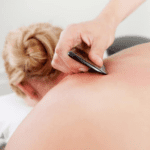
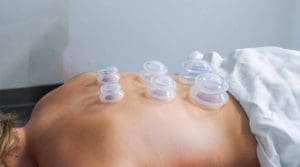
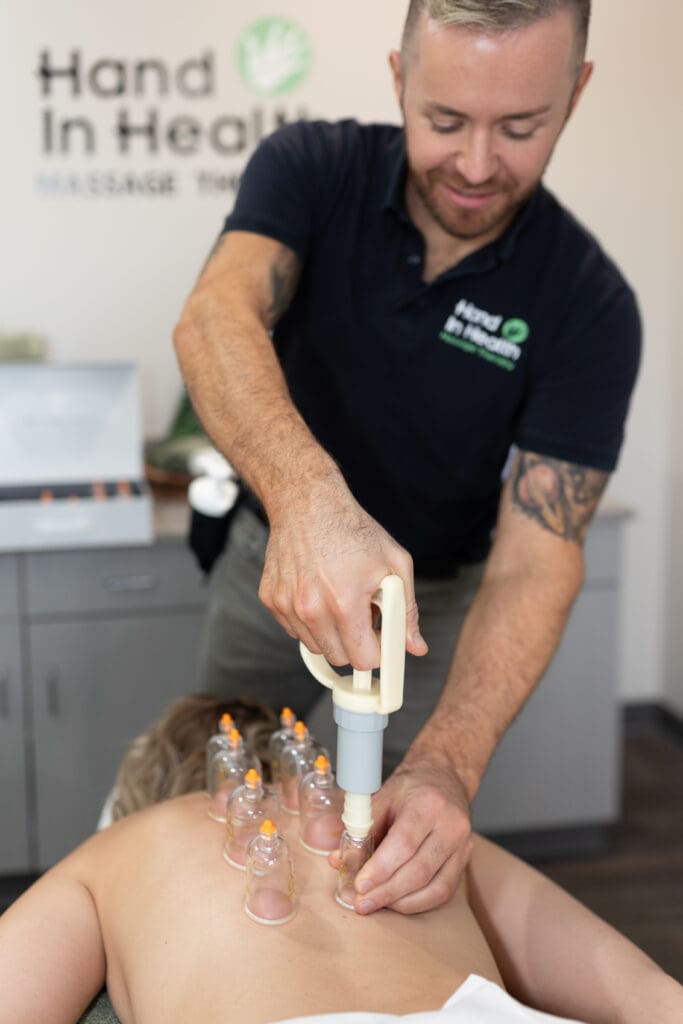
Cupping uses cups on the skin to create gentle suction that lifts the tissue rather than pressing into it. It’s often added to a massage for areas of tension. Cupping can leave temporary round marks on the skin. Learn more in What Are the Benefits of Cupping?
Cost and booking
Is massage covered by insurance? Can I use my HSA or FSA?
We accept HSA and FSA cards. Insurance coverage for massage varies, and some plans cover massage when a doctor prescribes it for a medical condition. Check with your insurance provider about your plan. If you have questions about your coverage, our front desk will help however we can.
Do you offer massage memberships?
Yes. The 60-minute membership is $90 a month for 120 credits, and the 90-minute membership is $125 a month for 155 credits. Credits roll over and can be shared with one other person. See Is a Massage Membership Worth It? or the membership details.
What is your cancellation policy?
Please give at least 24 hours’ notice to cancel or reschedule. Cancellations with less notice, and missed appointments, are charged the full cost of the session. If you arrive late, your session may be shortened so we can stay on schedule for the next patient.
How do I book?
Book online or in the Hand in Health app. Booking ahead is the best way to get your preferred time, but check the app for last-minute openings from cancellations. You can also text us at 315-937-2300.
Ready to book your massage?
Our licensed massage therapists are here to help you feel good and live better. Book your appointment online, explore our massage therapy services, or visit our Syracuse, NY clinic.