

Looking for a chiropractor? Visit our page on chiropractic care in Syracuse to meet Dr. Koh and book a visit. This post looks at how chiropractic and massage can work side by side.
Chiropractic care is an integrative approach to healthcare that has gained popularity in recent years. It focuses on diagnosing and treating musculoskeletal disorders, particularly those related to the spine. This form of healthcare has a growing body of scientific evidence supporting its effectiveness. In this blog post, we will delve into the science behind chiropractic care, describe a typical treatment session, explore the benefits of chiropractic care, and discuss how it can complement massage therapy for a more comprehensive approach to overall well-being.
Are you located in the Syracuse, NY area and interested in working with a reputable Chiropractor? We invite you to book a treatment with our Doctor of Chiropractics, Andrew Koh. Your Initial Chiropractic Consultation and Treatment will last about 45 minutes and follow-up appointments are about 20 minutes. Book your treatment online or contact our Syracuse, NY clinic today.
The Science Behind Chiropractic Care
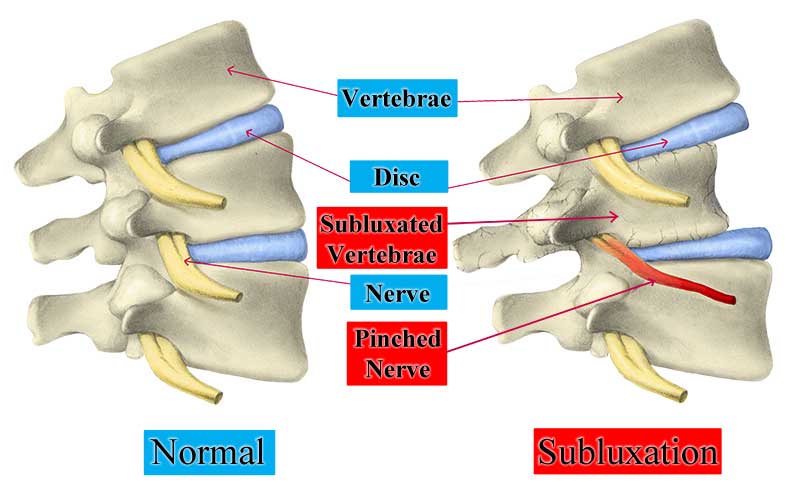
Chiropractic care is based on the fundamental concept that the nervous system plays a critical role in our overall health. The central nervous system, comprising the brain and spinal cord, controls and coordinates all the body’s functions. It communicates with the peripheral nervous system, which extends throughout the body, sending and receiving signals. Chiropractors focus on how the spine and joints move, since restricted joints can contribute to pain and stiffness.
Chiropractors use a hands-on approach to assess and treat joint restrictions through adjustments. Chiropractic adjustments are also known as spinal manipulations. These adjustments are typically characterized by the application of controlled force to a specific joint or vertebra. The goal is to improve joint mobility and posture and ease pain.
A Typical Chiropractic Treatment Session
A typical patient seeking help from a Chiropractor may have low back pain, neck pain, shoulder pain, headaches, back muscle pain, spinal joint restriction, or other problems affecting overall performance. Your first chiropractic treatment often involves the following steps:
Health History: The chiropractor will begin by taking a detailed medical history, asking questions about your current symptoms, lifestyle, and previous medical issues.
Physical Examination: A physical examination will be performed to assess your posture, range of motion, and musculoskeletal health. This may include palpation of the spine to identify areas of concern.
Diagnostic Tests: Orthopedic tests are often used to help determine a diagnosis for complaints. If necessary, the chiropractor may request diagnostic tests like X-rays or MRI scans to get a better view of the spine.
Chiropractic Adjustment: Based on the assessment, the chiropractor will perform a specific chiropractic adjustment customized to you. This typically involves a series of precise, controlled movements to manipulate the spine and joints.
Rehabilitation Exercises: In some cases, the chiropractor may recommend rehabilitation exercises or stretches to help maintain the benefits of the adjustment and improve strength and flexibility.
Education: Chiropractors often educate patients about proper posture, ergonomics, and lifestyle modifications to prevent future issues and promote overall well-being.
Follow-up visits are for established patients with continued chiropractic care. This will include:
Short Consultation/Update: Your Chiropractor will ask how you felt after your first treatment, discuss any improvement or any new complaints you may have
Treatment: Now that you have an established relationship and treatment plan with your Provider, you’ll be able to get right into your treatment. Follow-up treatments include heat therapy, acupressure, muscle work, stretching, and customized spinal manipulations to support your goals.
At Hand in Health, our Chiropractor will spend more than just a few minutes with you each visit. You will have time to talk to your Chiropractor about your treatment plan. They may take time to reassess problem areas, use heat, acupressure, or employ soft tissue work prior to your adjustment. Often a Theragun, a percussive massage device, or a muscle scraping tool may be used to soften tight tissues. After your adjustment, it will be common to participate in some facilitated stretching to help reinforce your adjustment.
The Benefits of Chiropractic Care
Chiropractic care offers a range of benefits that extend beyond pain relief. Some of the key advantages include:
Pain Management: Chiropractic care can help manage musculoskeletal pain, including neck pain(1), back pain(2), and headaches(3).
Reduces Reliance on Opioid Pain Relievers: A study from 2020 concludes(4) people with spinal pain who saw a chiropractor had half the risk of filling an opioid prescription.
Improved Posture: Chiropractic treatments can help you with hunchback posture and rounded shoulders which may potentially cause you headache, neck pain and back pain.
Improved Mobility: Chiropractic adjustments can enhance joint mobility, making it easier to move and perform daily activities.
Preventative Care: Regular chiropractic visits can help prevent future musculoskeletal issues by keeping joints moving well.
Holistic Approach: Chiropractors often emphasize lifestyle modifications and preventive strategies, providing patients with tools to take control of their health.

How Often Should I See a Chiropractor?
The frequency of chiropractic visits can vary depending on individual circumstances, health goals, and the chiropractor’s recommendations. It’s essential to have a personalized plan tailored to your specific needs. Here are some general guidelines to consider:
Acute Conditions: If you are experiencing acute pain or a specific injury, you may need more frequent visits initially, such as two to three times per week for a few weeks. The frequency may decrease as your condition improves.
Chronic Conditions: For chronic issues or ongoing maintenance of spinal health, many individuals choose to see a chiropractor on a more regular basis, such as once or twice a month.
Preventative Care: Some people seek chiropractic care as a form of preventative medicine, aiming to maintain overall health and well-being. In such cases, you might opt for periodic visits, such as every one to three months.
Individual Needs: Your chiropractor will consider your specific health goals, lifestyle, and response to treatment when recommending an appropriate schedule. They will develop a plan that aligns with your goals and any underlying conditions. Customized treatment plans are developed for all ages, from an infant to a geriatric population.
Progress Monitoring: During your chiropractic care, your progress will be monitored. The frequency of your visits may be adjusted based on how well you respond to treatment and any changes in your condition.
Pain Relief: Once pain or discomfort has subsided, you may reduce the frequency of visits. However, it’s essential to continue with periodic visits for maintenance to prevent the recurrence of issues.
Remember that chiropractic care is a holistic approach to health, and it’s not limited to addressing pain. Regular visits can also contribute to improved posture, mobility, and overall well-being. Always consult with your chiropractor to determine the optimal frequency of visits based on your unique situation.
It’s important to choose a reputable, licensed chiropractor who can provide professional guidance and tailor a plan to your specific needs. If you have any doubts or questions about your treatment plan, don’t hesitate to discuss them with your chiropractor to ensure you receive the care that’s right for you.
Is it Safe to Get a Chiropractic Adjustment?
Chiropractic adjustments are generally considered safe when performed by qualified and licensed chiropractors. However, like any medical or therapeutic procedure, there are associated risks, albeit rare, including the risk of stroke. It’s essential to note that while there have been reported cases of cervical arterial dissection following chiropractic neck adjustments, such incidents are extremely rare. The overall risk is considered low.(5)
It’s often unclear whether the adjustment itself directly causes cervical arterial dissection or whether there were underlying risk factors in a person’s medical history. These risk factors can include pre-existing heart or vascular conditions, connective tissue disorders, or a history of recent trauma. If you have any of these risk factors, your Chiropractor may use alternative techniques that are gentler and less forceful, reducing the risk associated with high-velocity adjustments.

Chiropractic and Massage Therapy: A Complementary Approach
Chiropractic care and massage therapy are two holistic healthcare practices that work hand-in-hand to provide a comprehensive approach to health and wellness. Here’s how they complement each other:
Muscle Tension Release: Chiropractic adjustments address joint restrictions, which can contribute to muscle tension and knots. Massage therapy, on the other hand, is an excellent method for releasing muscle tension and promoting relaxation. Combining these two therapies can provide a more complete solution for muscle-related issues.
Improved Circulation: Massage therapy promotes blood flow to tight muscles, and chiropractic care helps joints move more freely.
Enhanced Mobility: Chiropractic care can improve joint mobility and function, while massage therapy can help maintain this improvement by addressing soft tissue restrictions. This combination is particularly beneficial for athletes and individuals with mobility challenges.
Stress Reduction: Both chiropractic care and massage therapy promote relaxation and stress reduction. Many patients find chiropractic adjustments relaxing, while massage therapy is well-known for its stress-relief benefits. When used together, they create a potent stress management strategy.
Our body always works as a whole. This means our brain, muscles, and joints must work together to function optimally. Many patients who use both therapies comment on the profound effects it has had on their body.
Aligning Wellness: The Synergy of Chiropractic Care and Massage Therapy
Chiropractic care is a science-based approach to improving musculoskeletal health, and its benefits extend to overall well-being. Scientific research supports its effectiveness in pain management, enhanced functionality, and improved quality of life. When combined with massage therapy, these two practices can create a powerful, holistic approach to health and wellness. Whether you’re seeking relief from pain, improved mobility, or stress reduction, chiropractic care and massage therapy can work together to help you achieve your health goals.
There’s no better place to start to experience the benefits of chiropractic care than at Hand in Health. Our multidisciplinary clinic offers an integrative approach to your wellness. Learn more about chiropractic care at Hand in Health, with convenient appointment times at our Syracuse, NY clinic. Book an appointment today!

References
- Spinal Manipulation, Medication, or Home Exercise With Advice for Acute and Subacute Neck Pain https://doi.org/10.7326/0003-4819-156-1-201201030-00002
- Association of Spinal Manipulative Therapy With Clinical Benefit and Harm for Acute Low Back Pain: Systematic Review and Meta-analysis https://pubmed.ncbi.nlm.nih.gov/28399251/
- Upper cervical and upper thoracic manipulation versus mobilization and exercise in patients with cervicogenic headache: a multi-center randomized clinical trial. https://bmcmusculoskeletdisord.biomedcentral.com/articles/10.1186/s12891-016-0912-3
- Impact of Chiropractic Care on Use of Prescription Opioids in Patients with Spinal Pain https://pubmed.ncbi.nlm.nih.gov/32142140/
- Abstract 1122‐000200: Chiropractor Manipulation Leading to Bilateral Vertebral Artery Dissection and Acute Ischemic Stroke https://www.ahajournals.org/doi/10.1161/SVIN.01.suppl_1.000200