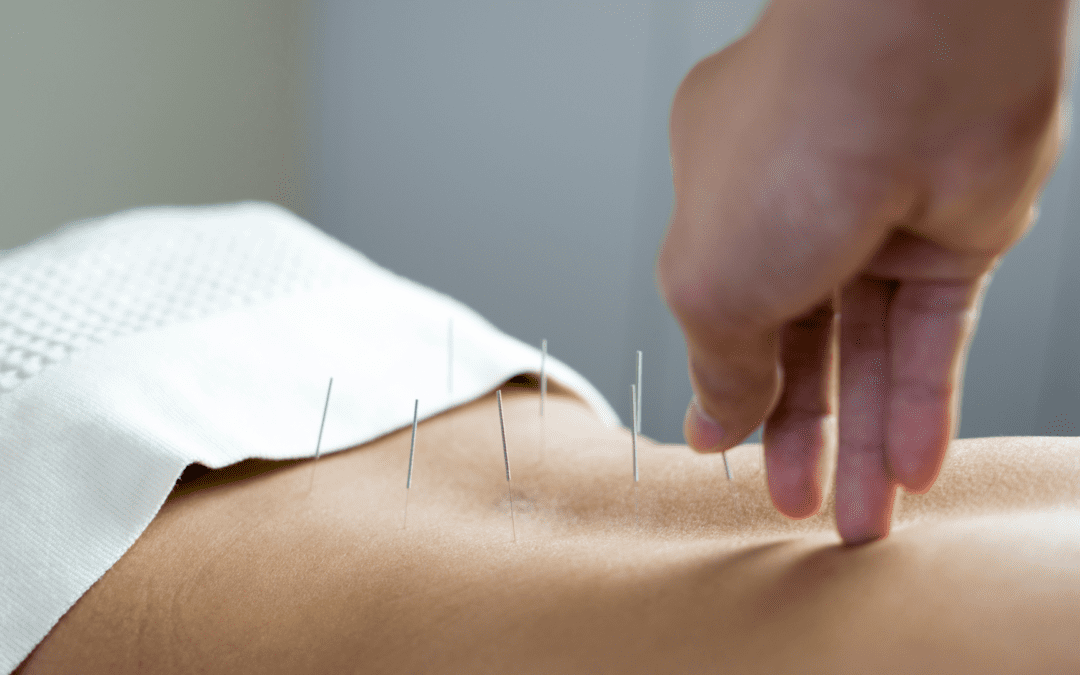
In the ever-evolving landscape of integrative health and wellness, acupuncture stands as a revered and time-honored practice. Its roots trace back over 2,500 years to ancient China, and it continues to flourish as a holistic therapy with many benefits. In this blog post, we will explore what acupuncture is all about, delve into its extensive list of advantages, and discover how it beautifully complements the soothing art of massage therapy.
Are you located in the Greater Syracuse, NY area and interested in Acupuncture? We invite you to book a treatment with our Licensed Acupuncturist, Annette Burden. Your Initial Acupuncture Consultation and Treatment will last about 60-75 minutes. Book your treatment online or contact our Syracuse, NY clinic today.
Understanding Acupuncture: what is it all about?
Acupuncture, an integral component of traditional Chinese medicine (TCM), is based on the belief that our bodies are a network of interconnected pathways, or meridians, through which energy, known as “qi,” flows. The balance of qi is essential for health and well-being, and disruptions in its flow can lead to illness or discomfort.
Acupuncture focuses on specific points along these meridians, known as acupuncture points. These points are strategically selected based on the patient’s concerns and symptoms. By inserting fine, sterile needles into these points, an acupuncturist aims to restore the balance of qi, promoting natural healing.
What sets acupuncture apart is its holistic approach to health. Rather than treating isolated symptoms, it addresses the root causes of ailments by harmonizing the body’s natural energy flow. This comprehensive approach aligns with the idea that physical, emotional, and mental well-being are interconnected.
What happens during an Acupuncture treatment session
An acupuncture session can be an eye opening experience that is the start of true holistic healing. The following is a description of what a treatment session entails:
Consultation: When you arrive at the acupuncture clinic, you’ll have a consultation with the Acupuncturist. During this discussion, you can talk about your health concerns, medical history, and any specific symptoms you’re experiencing. The Acupuncturist will use this information to develop a personalized treatment plan.
Diagnosis: After the consultation, the Acupuncturist will perform a diagnostic assessment. This often includes examining your tongue’s color and coating, feeling your pulse at various points, and asking about your symptoms. These steps are essential in traditional Chinese medicine to determine the state of your body’s Qi (energy) and Yin-Yang balance.
Treatment Plan: Based on the consultation, the Acupuncturist will create a treatment plan tailored to your needs. They’ll explain the specific acupuncture points and other traditional chinese medicine modalities they intend to use and how they believe will benefit your health.
Preparation: You may be asked to change into a gown or wear loose-fitting clothing, depending on the areas being treated. Acupuncture points are often located on various parts of the body, so accessibility is important. It is advised to not receive acupuncture on an empty stomach.
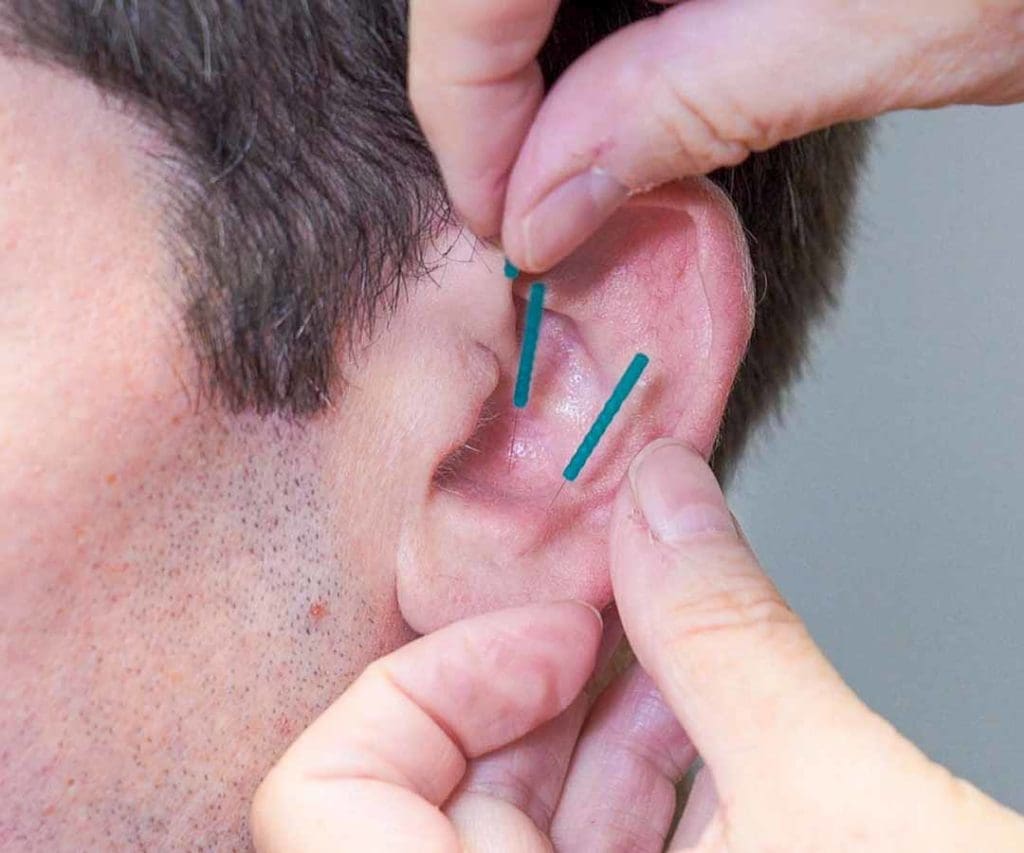
Acupuncture Needles: The Acupuncturist will use very fine, sterile needles to stimulate specific acupuncture points on your body. These needles are usually inserted just beneath the skin’s surface. You might feel a slight prick or tingling sensation when the needles are inserted, but it’s typically not painful.
Needle Retention: Once the needles are in place, you’ll lie comfortably for a period of time, typically around 15-30 minutes. This allows the body to respond to the stimulation of the acupuncture points.
Moxibustion (Optional): If moxibustion is part of your treatment plan, the Acupuncturist may use heated moxa sticks to warm specific acupuncture points. This can be especially helpful for conditions related to cold or stagnation.
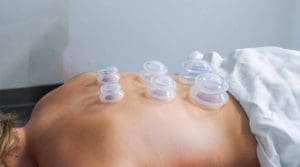
Cupping or Gua Sha (Optional): Depending on your needs, the Acupuncturist may also incorporate cupping or Gua Sha into the session. Cupping involves placing suction cups on the skin to improve blood flow, while Gua Sha uses a smooth tool to gently scrape the skin.
Follow-up: After the needles are removed, you’ll have a chance to discuss the session with the Acupuncturist. They may provide recommendations for ongoing care or suggest a treatment schedule.
Relaxation: Many people find acupuncture to be a relaxing experience. It’s common to leave the session feeling calm and rejuvenated.
Remember that the specific details of an acupuncture visit can vary depending on the acupuncturist’s approach and your individual needs. It’s essential to choose a qualified and licensed Acupuncturist for your treatments to ensure a safe and effective experience.
What are the benefits of Chinese Medicine
Acupuncture and traditional Chinese medicine can be beneficial to a wide range of individuals in so many ways. Below are some common benefits from Acupuncture and Traditional Chinese medicine:
Pain Relief: Acupuncture is well-known for its ability to alleviate pain. It can be effective for various types of pain, including back pain, neck pain, arthritis, migraines, and even menstrual cramps. It works by stimulating the release of natural pain-relieving substances in the body, such as endorphins.
Stress Reduction: Many people find acupuncture to be a relaxing experience. It can help reduce stress by promoting a sense of calm and balance. Some studies suggest that acupuncture may influence the release of stress hormones in the body.
Improved Sleep: Many patients find that acupuncture helps them relax and sleep better.
Headache and Migraine Relief: Acupuncture is a popular choice for those seeking relief from chronic headaches and migraines. It may reduce the frequency and intensity of headaches and improve overall well-being.
Muscle Relaxation: Acupuncture can promote muscle relaxation and reduce muscle tension. This can be beneficial for athletes or individuals with muscle-related pain and stiffness.
Balanced Energy: In traditional Chinese medicine, acupuncture is believed to balance the flow of Qi (energy) in the body. This balance is thought to promote overall health and well-being.
Wellness and Prevention: Acupuncture is also sought by individuals looking to maintain their overall well-being and prevent health issues.
It’s important to note that while acupuncture can be beneficial for many, it’s essential to consult with a Licensed Acupuncturist who can assess your specific needs and provide guidance on its potential benefits and health concerns The effectiveness of acupuncture can vary from person to person, and individualized treatment plans are often recommended.
How Acupuncture and Massage together can improve your health
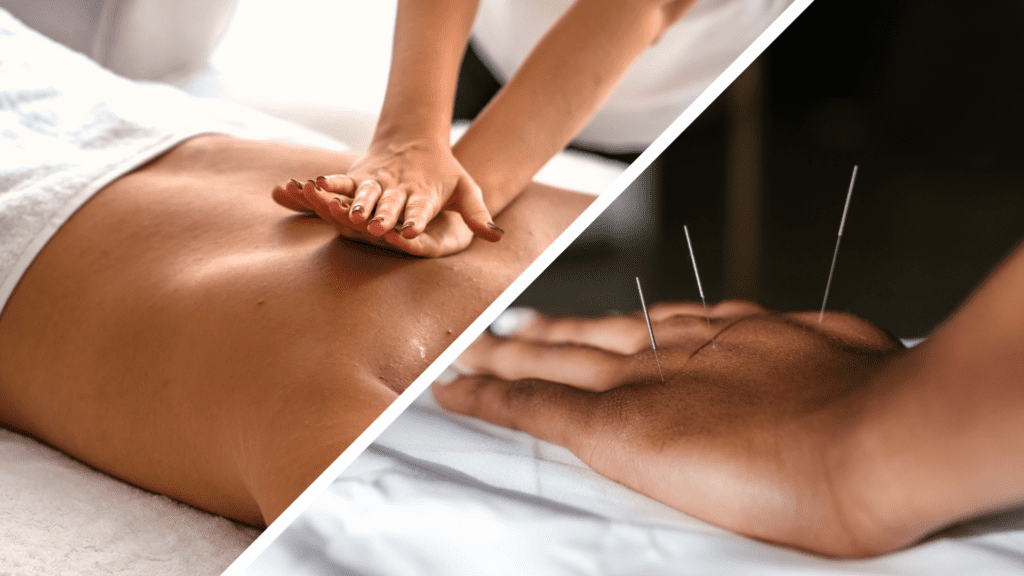
Combining acupuncture and massage treatments can offer a synergistic approach to enhancing your health and well-being. When these two therapies are used together, they can provide a range of benefits:
Comprehensive Pain Relief: Acupuncture and massage together can effectively target and relieve various types of pain, such as muscle tension, joint pain, and chronic pain conditions. Acupuncture helps by stimulating the body’s natural pain-relieving mechanisms, while massage relaxes muscles and reduces pain-related muscle tension.
Enhanced Relaxation: The combination of acupuncture’s energy-balancing effects and massage’s muscle relaxation properties can induce a profound sense of relaxation and stress reduction. This dual approach can promote a deep sense of calm.
Improved Circulation: Massage therapy increases blood flow, while acupuncture can help improve the flow of Qi (energy) throughout the body. Many patients find the combination leaves them feeling refreshed.
Muscle and Joint Flexibility: The muscle-relaxing effects of massage can make it easier for acupuncture needles to address areas of muscle tension and joint stiffness. Together, they can enhance muscle and joint flexibility.
Recovery Support: The combination may help ease pain and muscle tension while you recover from an injury.
Stress Management: The dual approach of acupuncture and massage can be particularly helpful for managing stress. It helps calm the mind and relax the body, reducing the physical and mental symptoms of stress.
Improved Sleep: Many individuals experience improved sleep quality when acupuncture and massage are combined. The relaxation and pain relief provided by these therapies can lead to more restful and deeper sleep.
Holistic Wellness: Together, these therapies address both the physical and energetic aspects of health. They support the body’s natural healing abilities and promote overall well-being.
Personalized Treatment: Acupuncture and massage can be tailored to your specific needs and concerns. Your practitioner can customize the combination to address your unique health goals.
It’s important to note that the effectiveness of these therapies together may vary depending on the individual and their specific health conditions. It’s advisable to consult with qualified practitioners who can create a personalized treatment plan that takes into account your unique needs and preferences. When administered by skilled professionals, the combination of acupuncture and massage can provide a holistic and integrative approach to improving your health.
Harnessing the Power of Acupuncture and Massage Therapy
Acupuncture, with its roots in ancient wisdom, and massage therapy, a practice celebrated for its tactile healing, are both extraordinary therapies in their own right. However, when combined, their synergy is nothing short of remarkable. The holistic approach of acupuncture complements the hands-on, muscular relief provided by massage therapy, creating a comprehensive healing experience that addresses the physical, emotional, and energetic aspects of well-being. Whether you seek pain relief, stress reduction, or a deeper sense of relaxation, acupuncture and massage therapy can be a great fit together.
There’s no better place to start to experience the benefits of Acupuncture than at Hand in Health. Our multidisciplinary clinic offers a whole-person approach to your wellness. Learn more about acupuncture at Hand in Health, with convenient appointment times at our Syracuse, NY clinic. Book an appointment today!

References:
Vickers AJ, Vertosick EA, Lewith G, et al. (2018). Acupuncture for Chronic Pain: Update of an Individual Patient Data Meta-Analysis. The Journal of Pain, 19(5), 455-474. Lee JH, Choi TY, Lee MS, Lee H, Shin BC, & Ernst E. (2013). Acupuncture for acute low back pain: a systematic review. The Clinical Journal of Pain, 29(2), 172-185. Linde K, Allais G, Brinkhaus B, et al. (2016). Acupuncture for the prevention of tension-type headache. The Cochrane Database of Systematic Reviews, 4, CD007587. Cao H, Pan X, Li H, & Liu J. (2009). Acupuncture for treatment of insomnia: a systematic review of randomized controlled trials. The Journal of Alternative and Complementary Medicine, 15(11), 1171-1186. Zhao L, Chen J, Li Y, et al. (2017). The long-term effect of acupuncture for migraine prophylaxis: a randomized clinical trial. JAMA Internal Medicine, 177(4), 508-515.