By Katy Woods, LMT, MLD-C
Lymphatic massage, also called manual lymphatic drainage or MLD, is a light, hands-on technique. It gently helps direct lymph fluid toward your lymph nodes. It’s light by design and shouldn’t hurt. Many people book it after surgery, where it may help ease swelling. Others book it for general puffiness or fluid retention.
What is lymphatic drainage massage?
Lymphatic drainage massage is a light, rhythmic technique that guides lymph fluid toward your lymph nodes. You may also see it called manual lymphatic drainage, or MLD.
Your therapist uses slow, gentle strokes that work with your body’s natural lymph flow. The pressure is much lighter than most massage. That’s on purpose. The goal is to move fluid near the surface, not to work deep into muscle.
It’s a different experience from the firm massage most people picture. Below, you’ll see how it works, how it feels and when people book it.
What are lymph and lymph nodes?

Lymph is a clear fluid that moves through your tissues. Lymph nodes are small glands that filter that fluid.
Lymph is a mix of water, proteins, fats, waste from your cells and other leftover material. As it travels, it passes through your lymph nodes. The nodes filter out debris along the way.
You have lymph nodes throughout your body. Large groups of them sit in your neck, armpits and groin. These clusters help lymph pass through as many nodes as possible. After that, the lymph returns to your bloodstream.
How does lymphatic massage work?
Lymphatic massage works with your body’s own lymph flow. Light strokes help guide fluid toward your lymph nodes.
Lymph travels through tiny vessels called lymph capillaries. Think of them as highways that carry lymph toward your nodes. Your blood has a pump, which is your heart. Your lymph has no central pump like that. Instead, it relies on the movement of your body to keep flowing.
Your body moves lymph on its own every day. MLD is designed to encourage that natural flow. The strokes stay light because many lymph vessels sit just below your skin. Gentle strokes help fluid move along without pressing those vessels flat.
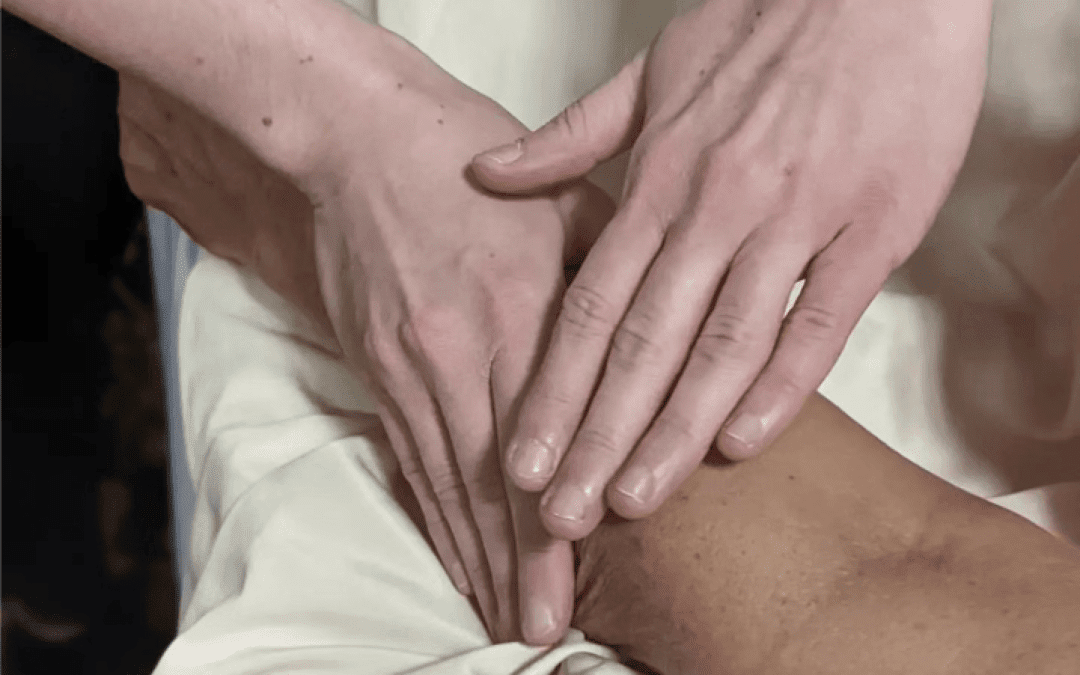
Katy Woods performs manual lymphatic drainage at Hand in Health.
What does a lymphatic drainage session feel like?
A session feels light, slow and calm. Most people find it relaxing, and it feels very different from firm massage.
Your therapist uses light, rhythmic gliding and stretching strokes. No massage oil is used. The work follows a set sequence over your body. That order matters, because it helps make sure fluid isn’t trapped in any one area.
After surgery, your therapist may focus on specific areas. That could be a limb or the area around your surgical site. The touch stays gentle the whole time. There’s no deep pressure and no forceful pushing of fluid.
If you’ve only had firm massage before, expect something very different. Many first-timers are surprised by how light it is.
Why should I get a lymphatic massage?
Most people book it for swelling after surgery or for general puffiness. Others book it because the slow, gentle pace helps them relax.
Common reasons patients book lymphatic massage include:
- Swelling and bruising after surgery
- General puffiness
- Fluid retention
- Wanting a calm, gentle option instead of firm massage
Men and women both make it part of their routine. If firm pressure has never been your thing, this is an easy place to start. Recovering from surgery? The next section covers timing, referrals and scheduling.
Lymphatic massage after surgery
After surgery, many patients book lymphatic massage to ease swelling and bruising. Our certified therapists use the same gentle technique, with extra care around your recovery.
Surgery can leave fluid building up in your tissues. That buildup can lead to swelling and discomfort. Post-op lymphatic drainage uses light strokes that may help ease that swelling. Many patients find it helps them feel more comfortable during recovery.
Lymphatic techniques come in several styles, and every style uses light pressure. For post-op work, choose a therapist who is certified in it.
When should I start?
Most patients start about 2 to 6 weeks after surgery. Your surgeon’s guidance on timing comes first. Every recovery is different, so your start date may not match someone else’s.
Do I need a referral from my surgeon?
No, a referral isn’t required. We prefer to work with your surgical team, though. Bring any instructions from your surgeon to your first visit. That helps your therapist plan sessions around your recovery.
How many sessions will I need?
It varies, and your therapist sets the plan with you at your first visit. Here’s a typical schedule many patients follow:
- Once a week for the first month after surgery
- Every other week during the second month
- As needed after that
This is a common pattern, not a prescription. Your plan may look different based on your surgery and how you feel.
Can I book before surgery?
Yes. Some patients book one or two sessions before surgery to feel relaxed and prepared. Just don’t book within 48 hours of your surgery. The lymphatic system moves slowly. You may feel the effects of a session for 24 to 48 hours afterward.
Which surgeries do patients book it for?
Patients often book post-op lymphatic massage after these surgeries:
- Knee or hip replacement and repair
- Rotator cuff repair
- Liposuction
- Brazilian butt lift (BBL)
- Breast augmentation or reduction
- Mastectomy
- Tummy tuck
- “Mommy makeover,” which combines several procedures at once
- Gender-affirming surgeries
- Facial plastic surgery
We aren’t accepting CoolSculpting or AirSculpt patients at this time. Curious about scar tissue after surgery? Read our guide to massage therapy and scar tissue.
Who should not get lymphatic massage?
Some people should skip lymphatic massage or get a doctor’s OK first. That includes anyone with:
- Congestive heart failure
- Kidney failure or liver disease
- An acute blood clot (DVT)
- Acute bronchitis
- Any active infection or fever
If you have an infection or fever, wait until you’re well and cleared by your doctor before you book. Not sure whether something in your health history matters? Ask your doctor before you book. You can mention it to our office too.
What to expect at Hand in Health
You’ll work with one of our certified therapists. When you book lymphatic services online, you’ll only see therapists certified for them.
Lymphatic drainage sessions come in 30, 60, 90 or 120 minutes. At your first post-op visit, you and your therapist will talk through your surgery and timeline. Together, you’ll set a plan that fits your recovery.
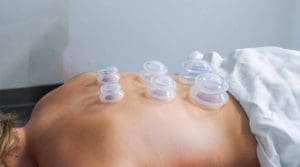
Want something shorter that focuses above the shoulders? Try Lymphatic Cupping for the Head, Neck and Shoulders. It’s a 30-minute session with light manual strokes and small facial cups.
Patients have left us over 2,000 5-star reviews. We’d love to help you feel at ease too.
Ready for a gentler kind of massage? Read more about lymphatic drainage massage in Syracuse, NY, or Book Lymphatic Drainage Massage.
Frequently Asked Questions
How soon after liposuction or a BBL can I start?
Most patients start about 2 to 6 weeks after surgery, and that includes liposuction and BBL. Your surgeon’s instructions come first, since every recovery is different. A referral isn’t required, but we prefer to work with your surgical team. If you’re unsure about your timing, ask your surgeon or our office before you book.
Should I wear my compression garment to the appointment?
Follow your surgeon’s instructions for your compression garment. Your surgeon knows when it can come off and for how long. Bring those instructions to your first visit and share them with your therapist. If you’re not sure what your surgeon wants for the appointment, ask them before you come in. Your session will fit around their plan.
How long do the effects of one session last?
You may feel the effects of a session for 24 to 48 hours afterward. The lymphatic system moves slowly, so changes can unfold over a day or two. How long you notice them after that varies from person to person. Your therapist can suggest a schedule that fits your goals.
Is lymphatic massage the same as lymphatic facial cupping?
No, they’re related but different services. Lymphatic drainage massage follows a set sequence over your body and runs 30 to 120 minutes. Lymphatic Cupping for the Head, Neck and Shoulders is a 30-minute session. It combines light manual strokes with small facial cups. Both use a gentle touch, so neither feels like deep tissue work.
Can I get lymphatic massage if I haven’t had surgery?
Yes, you don’t need to have had surgery. Many patients book it for general puffiness or fluid retention. Others simply enjoy how calm and relaxing it feels. It’s light by design and very different from firm massage. If any of the health concerns in this guide apply to you, ask your doctor first.