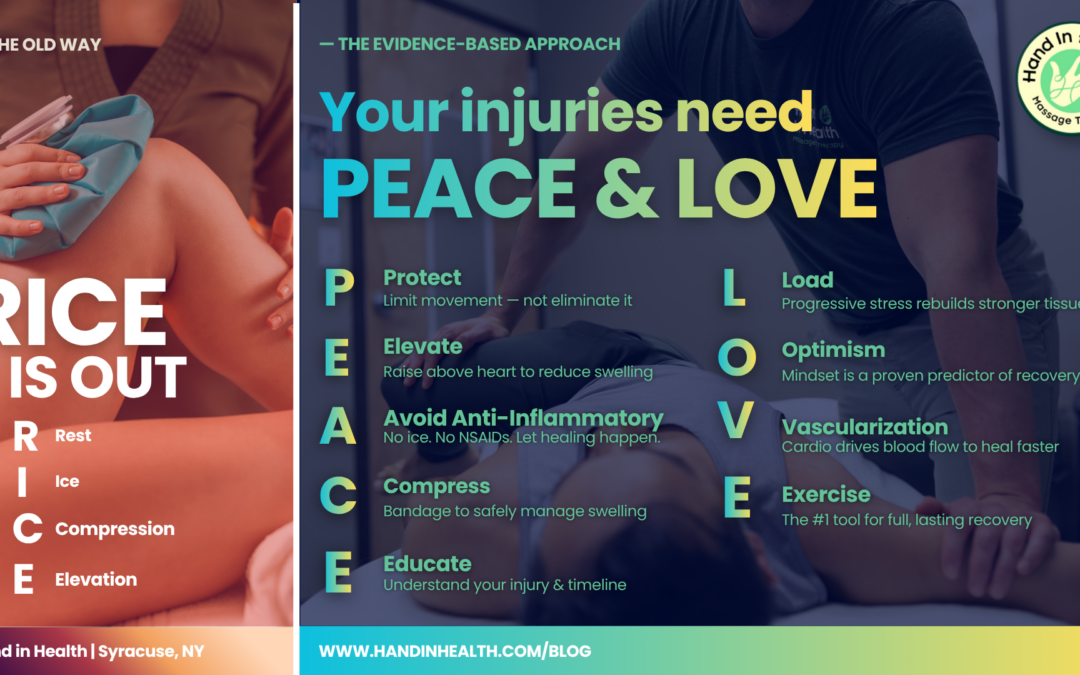
You twist your ankle. You pull a hamstring. You throw out your back. For as long as you can remember, the answer has been the same: grab ice, rest, compress, elevate — RICE. It’s been drilled into us since 1978. But what if this commonplace advice has been working against your body the entire time?
The answer, according to a growing body of sports medicine research, is: yes. And the twist? The reversal came from Dr. Gabe Mirkin — the physician who invented RICE in the first place. In 2014, he publicly stated that both ice and complete rest may actually delay healing rather than support it.
Since then, researchers have developed a far more comprehensive approach. It’s called PEACE & LOVE, and it’s transforming how forward-thinking clinitions, sports teams, and wellness providers approach soft tissue recovery. Including us.
Why RICE Became the Wrong Answer
The logic behind RICE seemed airtight: reduce swelling, restrict movement, protect the injury. But here’s the problem — inflammation isn’t just an unfortunate side effect. It’s a feature of healing, not a bug.
When you injure soft tissue, your immune system launches a deliberate cascade. Specialized cells called macrophages flood the area and release Insulin-like Growth Factor (IGF-1) — the hormone that signals your body to begin tissue repair. Ice suppresses this process. By chilling the injury, you blunt IGF-1 release and interrupt the very cellular machinery your body needs to rebuild.
“It now appears that both ice and complete rest may delay healing, instead of helping.”
— Dr. Gabe Mirkin, MD • Creator of the RICE Protocol (2014)
Prolonged rest compounds the problem. Without mechanical loading, healing collagen is laid down in disorganized patterns — leaving repaired tissue weaker and more prone to re-injury than before. Your body needs movement signals to know how to rebuild properly.
A 2025 review published in SAGE Open Medicine confirmed the consensus: ice provides short-term pain relief but actively impairs the biological processes needed for full recovery. The same is true for NSAIDs like ibuprofen — pain relief yes, but at the cost of the inflammation your body is using as its repair toolkit.
Meet PEACE & LOVE: A Complete Recovery Framework
Introduced in 2019 by researchers Dubois and Esculier and published in the British Journal of Sports Medicine, PEACE & LOVE covers the full arc of recovery — from the moment of injury through return to full activity. It’s not just a first-aid checklist. It’s a philosophy that respects your body’s intelligence.
Limit movement for the first 1–3 days to reduce bleeding and prevent aggravation — but don’t stop moving entirely. Protecting is not the same as resting. Gentle, pain-free motion is encouraged from day one.
Raise the injured limb above heart level when possible to promote fluid flow away from the injury. Evidence is modest, but the risk-benefit ratio firmly favors it. Elevation survived the RICE rollback for good reason.
The most surprising component. Both ice and NSAIDs (aspirin, ibuprofen, naproxen) blunt the inflammatory cascade your body is using to heal. Short-term pain relief trades away long-term recovery speed. Resist the urge, especially in the first 48 hours.
Compression bandaging limits swelling and improves quality of life for injuries like ankle sprains. Unlike ice, compression doesn’t interfere with healing — it supports it. Use a compression wrap throughout the protection phase.
Arguably the most underrated step. Understanding your injury, knowing realistic timelines, and setting accurate expectations dramatically improves outcomes. Educated patients move through recovery more confidently — avoiding both overprotection and premature overloading.
Introduce progressive mechanical stress to the injured area — not too much, not too little. Loading stimulates tissue remodeling and builds tolerance. Resume normal activities and reload the injured structure as soon as symptoms allow, guided by a qualified provider.
This isn’t soft advice — it’s evidence-based. Research consistently shows that patient beliefs and expectations are among the strongest predictors of recovery. Fear of movement, catastrophizing, and pessimism are independently linked to longer recovery times. Optimism, supported by your care team, genuinely heals faster.
Get blood flowing. Pain-free cardiovascular exercise — walking, cycling, swimming — increases circulation to injured structures and triggers exercise-induced analgesia (your body’s natural pain relief). Starting aerobic activity a few days post-injury also reduces dependence on medication.
Targeted therapeutic exercise is the cornerstone of lasting recovery — restoring mobility, rebuilding strength, retraining body awareness, and reintegrating activity-specific movements. Exercise is not just rehabilitation. It is the single most powerful tool for long-term soft tissue recovery.
Your Recovery Timeline
PEACE: Protect, compress, elevate, and educate
Limit harmful movement. Avoid ice and NSAIDs. See a provider who can assess severity and set clear expectations. Gentle, pain-free range of motion from day one.
Transition to LOVE: Begin active loading
Start supervised progressive loading. Add pain-free cardiovascular exercise to boost circulation. Address fear or avoidance of movement with your care team.
Full LOVE phase: Rebuild and integrate
Strength training, mobility work, and functional exercise become the focus. Work with a qualified provider to progress load and ensure proper tissue remodeling.
Return to full activity — stronger than before
A properly executed PEACE & LOVE program doesn’t just get you back to baseline. It builds tissue that is more resilient than before the injury.
How Hand in Health Fits Into PEACE & LOVE
Every service we offer maps directly onto this framework. Our integrated approach means you’re not just treating the injury — you’re guiding the entire recovery process.
Circulation & Tissue Quality
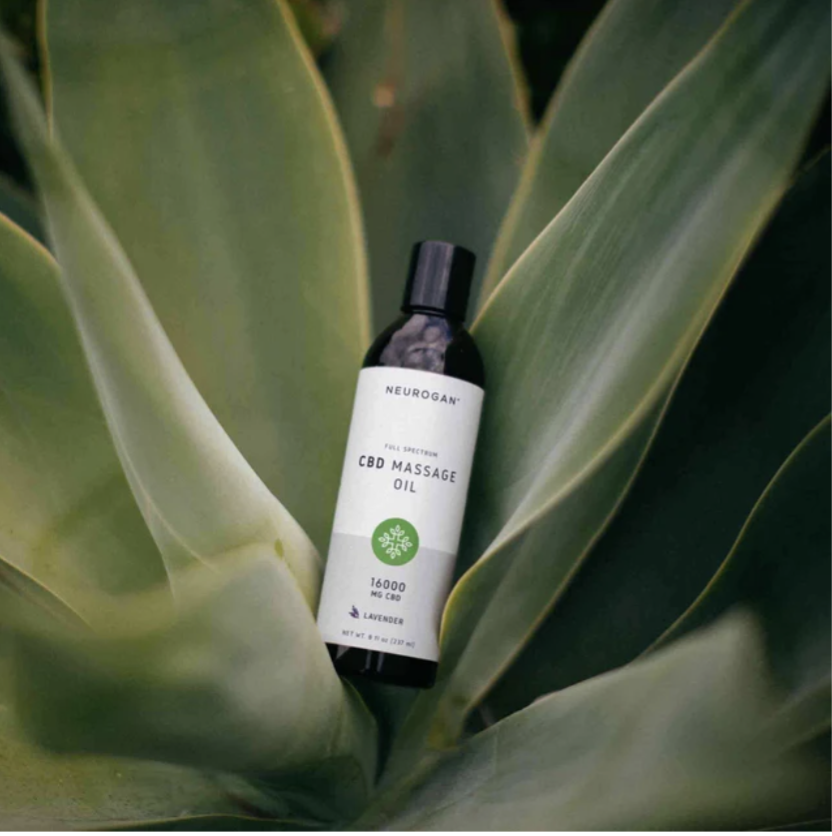
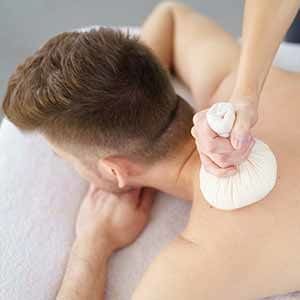
Therapeutic massage increases local blood flow to healing tissue, directly supporting Vascularization. It also reduces fascial tension, addresses compensatory patterns, and calms the nervous system — building the Optimism needed for faster recovery.
Natural Pain Relief
Acupuncture stimulates endogenous pain relief without suppressing the inflammatory cascade — a powerful, PEACE-aligned alternative to NSAIDs. It modulates pain signals and supports circulation in harmony with your body’s healing process.
Structural & Load Readiness
Chiropractic care addresses joint restrictions that alter movement mechanics during LOVE phase loading. By restoring optimal function and reducing protective muscle guarding, it prepares your body to load safely and progress through rehabilitation more efficiently.
Progressive Loading & Exercise
This is where LOVE lives. Our fitness and rehab services deliver the structured, progressive exercise programming that is the heart of the entire framework — from early vascularization walks to full functional reconditioning.
The Bottom Line
RICE served a generation — and its two surviving components, compression and elevation, still have a place. But as a complete recovery philosophy, it misses the mark. It treats injury as something to be suppressed rather than a biological process to be guided.
PEACE & LOVE is built on a different principle: trust your body’s intelligence, work with the healing process, move early, think positively, and build back stronger than before.
The question isn’t whether to reach for the ice pack anymore. The question is: who is on your team to guide you through the full journey?
Ready to recover smarter?
Our massage therapists, acupuncturists, chiropractors, and fitness coaches are trained in evidence-based recovery. Let us build your PEACE & LOVE plan.